

Role reversal – caring for mom
As we celebrate Mother’s Day and Tafta’s Sisonke Month of Care, let’s talk about a role many adult children find themselves stepping into … caring for the parent who once cared for them.
This role reversal can feel very strange. When mom has been the rock you’ve depended on your whole life, it’s sad and unsettling to acknowledge that she’s no longer as strong and capable as she used to be.
Watching a beloved parent age brings a mix of emotions: love, worry, guilt, frustration, and uncertainty. At the same time, ageing parents may struggle to accept the loss of independence and the need for support. But, with patience, communication, and the right support, this new season of life can strengthen family bonds and create meaningful moments of connection.
What older parents need most from their grown up children
While practical support is important, emotional care matters just as much. Be mindful of the need for:
Patience and understanding
Ageing parents may already feel frustrated by physical limitations, memory loss, and health challenges. A little patience and reassurance goes a long way to making sure they still feel respected and valued.

Time and companionship
Loneliness is one of the biggest challenges people face as they age. Something as simple as a phone call, visit or shared meal can make an enormous difference. Sometimes, your parents don’t need solutions – they simply need someone to listen.
Inclusion in decisions
It’s important that mom or dad still feel heard and involved in decisions about their lives, health, finances, and care. Respect their right to make their own decisions about how and where they want to live.
Practical support
As parents age, they may need help with:
• Transport to and from appointments
• Shopping and meal preparation
• Managing medication
• Household tasks
• Technology and communication

Offer support in ways that encourage independence, rather than taking over completely, so that mom or dad still feel empowered.
Reassurance and emotional support
Many seniors worry about becoming a burden to their families. Gentle reassurance, affection, and regular communication helps ease these fears.
Helping adult children cope with care-giving
Caring for an ageing parent can be deeply rewarding. But it can also be emotionally and physically draining. You may have to juggle care-giving with work, parenting, and financial responsibilities. So it’s extremely important that you care for yourself too.
- Accept that adjustment takes time
Role reversal can feel uncomfortable at first. It’s normal to grieve the changes that come when parents age, while also learning how to support them in new ways. Be patient with yourself as you navigate this transition. - Ask for help
Care-giving should never fall entirely on one person. Reach out to siblings, family members, friends, or community organisations for support where possible. - Set realistic boundaries
It’s okay to acknowledge your own limits. Trying to do everything alone can lead to burnout. Healthy care-giving includes balancing your parent’s needs with your own wellbeing. - Stay connected
Care-giving can feel isolating. Staying connected to friends, support groups, faith communities, or social activities helps reduce stress and provide emotional support. - Explore available resources
There are many organisations and services that can assist older persons and their families, including:
• Meal delivery services
• Home-based care
• Assisted living options
• Seniors’ clubs and support groups
• Healthcare and wellness programmes
Seeking support is not a sign of failure . It’s an important part of sustainable care-giving.
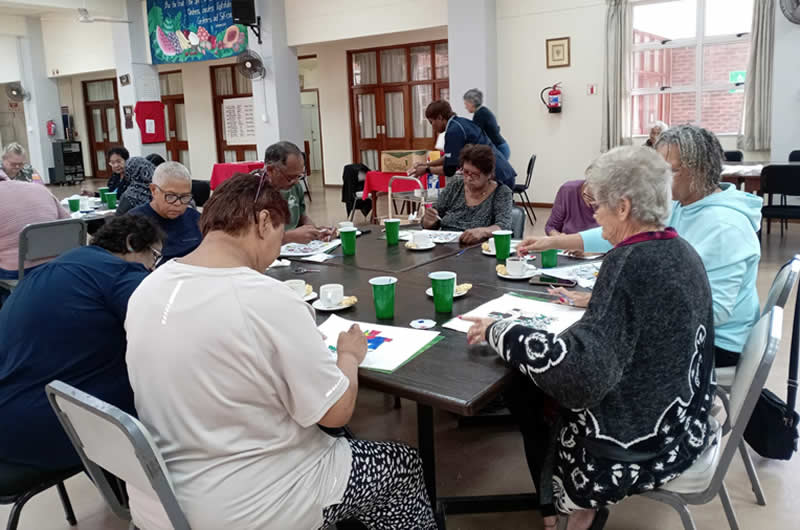
Paint ‘n Sip Tafta style at the Anna Conradie Wellness Centre. A few golden hours of companionship and creativity for elders – and some precious ‘me’ time for family carers.
Sharing the caring
At Tafta, we believe that caring should be shared. Through our residential facilities, community programmes, home-based support and meal services, we help older people maintain dignity, connection, and quality of life as they age.
We also understand the challenges families face when caring for ageing loved ones. No one should have to navigate this journey alone.
This Mother’s Day, and throughout Sisonke Month of Care, we honour not only mothers and older persons, but also the adult children, caregivers, families, and communities who walk alongside them with compassion and love.




 What is the #OldEnoughTo campaign about – and why does it matter?
 New gym opens at John Conradie House, in partnership with Virgin Active
 Saving for retirement – are you on track?
 Call for systems that keep pace with longer lives this International Day of Older Persons
 2026 AGM shines a spotlight on achievements at Tafta
 Volunteer Appreciation Celebration recognises vital contribution of Tafta volunteers
 Heart palpitations – should you be worried?
 Tafta turns care into opportunity for women
 Caring for the Caregiver: how to support the person supporting your loved one
 Your heart has looked after you – now it’s your turn to look after your heart