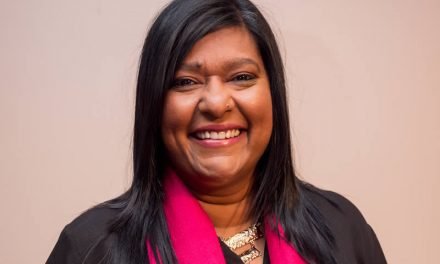
Tafta CEO, Femada Shamam shares her reflections on the SONA
SONA 2026: Growth, Infrastructure and the Quiet Absence of Ageing
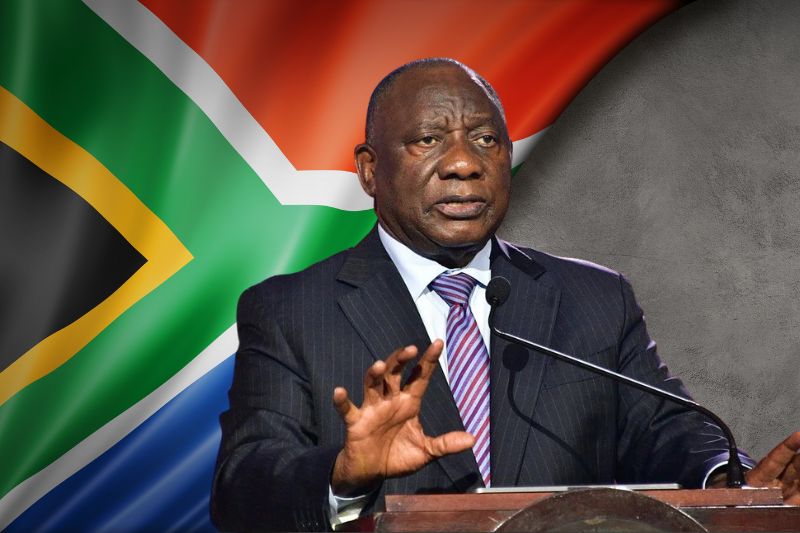
The 2026 State of the Nation Address delivered by Cyril Ramaphosa was framed as a turning point — a shift from an “era of decline” to an “era of growth.” It was confident, ambitious and, in many respects, hopeful. Yet when viewed through the lens of care and support for older persons, it also revealed a familiar and troubling omission: ageing remains largely invisible in our national imagination of progress.
Infrastructure: More Than Concrete and Steel
The announcement of a National Water Crisis Committee, chaired by the President himself, is both necessary and overdue. In metros like eThekwini, water outages are not merely inconvenient — they are dangerous. For older persons, particularly those who are frail or chronically ill, water insecurity directly undermines dignity, health and safety.
While the commitment of over R1 trillion to infrastructure is impressive, the emphasis remains overwhelmingly on economic infrastructure. My concern is this: where does social infrastructure sit in this vision? Care services, community-based support, age-friendly housing and preventative health programmes are not “soft” investments — they are investments in our future selves.
The Care Economy: Still an Afterthought
The President spoke of infrastructure as being “more than bricks and mortar,” yet the care economy continues to be sidelined. This is short-sighted. Investing in care supports women’s employment, sustains families, reduces pressure on hospitals and enables older people to remain active contributors to society. Ignoring it undermines both economic growth and social cohesion.
As we prepare for the South Africa Investment Conference on 31 March, the care sector must be bold enough to articulate what investment in social infrastructure actually looks like — and to demand a seat at the table.
Transport, Energy and Access
The aspiration of high-speed rail is exciting, particularly given the strain on the N3 corridor and the need to reduce our carbon footprint. But experience tells us that aspiration without affordability entrenches exclusion. The Gautrain is world-class — and priced beyond the reach of ordinary citizens, including pensioners. Growth that excludes is not growth.
Similarly, energy reform and relief from rising costs are welcome, but they must translate into tangible reductions in household pressure, especially for older people living on fixed incomes.
Employment, Skills and the Untapped Resource of Older People
The focus on women- and youth-led enterprises is encouraging. However, I strongly believe that pairing these initiatives with the skills, experience and mentorship of retired professionals could create a powerful intergenerational ecosystem. Older persons are not a burden on the labour market; they are an underutilised asset.
The proposed overhaul of the SETAs and the move towards a dual training model are positive signals, but the pace of implementation remains a concern. Progress needs to be faster — perhaps as fast as the bullet train we are so keen to build.
Rethinking the Life Course: From the First 1,000 to the Last 8,000 Days
The emphasis on the first 1,000 days of a child’s life is absolutely correct. Yet it presents an opportunity to also consider the last 8,000 days of a person’s life. Longevity is not a crisis; it is a demographic dividend if planned for properly.
It was disappointing that while the President powerfully invoked 1956, 1976 and 1996, there was no recognition that 2026 marks the moment when older persons exceed 10% of South Africa’s population — over 6.6 million people. This is not a footnote in our history; it is a defining feature of our future.
Health, Prevention and Active Ageing
The commitment to building a healthy nation cannot succeed without prioritising healthy and active ageing. Preventative programmes that keep older people mobile, socially connected and mentally well reduce long-term healthcare costs and ease pressure on public health systems. We must transition decisively from reactive care to proactive investment.
Digital Transformation: Who Is Being Left Behind?
As government accelerates digital reforms — digital IDs, licences and platforms — I am deeply concerned about accessibility for older persons. Digital inclusion cannot be assumed. It must be designed, tested and implemented with older people, not simply imposed upon them. This is a conversation we urgently need to have, directly with older citizens themselves.
From Hope to Responsibility
The President ended with a call to unity, growth and shared purpose. My question is not whether the vision is credible, but rather: what is my role in realising it? And equally, how do older persons and the organisations that support them meaningfully participate in national dialogues and the emerging social compact?
If growth is to be real, it must be inclusive across the full life course. If unity is to be meaningful, it must recognise the dignity, contribution and voice of older people. And if this truly is an era of growth, then it is time for South Africa to grow up — and grow older — with intention.
My humble opinion:
SONA 2026 sets an ambitious direction, but ambition without age-conscious planning risks reproducing inequality in a new form. The care economy is not peripheral; it is foundational. Until we acknowledge that, our growth will remain incomplete

 Easy, affordable Easter brunch ideas
 When is it time for frail care? When it enhances dignity and quality of life.
 Tafta launches South Africa’s first immersive, age-friendly Virtual Reality platform
 Save tax with a Section 18A Certificate from Tafta
 Tafta CEO, Femada Shamam shares her reflections on the SONA
 Valentine’s Day on a budget – love that doesn’t cost a thing!
 Age-readiness vs Age-friendliness – preparing South Africa for long life
 Sisonke – ‘we are together’ – is Tafta’s theme for 2026
 From Durban Social Worker to Global Champion for Older Persons
 Christmas joy – good food and good company, thanks to you!