Age-readiness vs age-friendliness – preparing South Africa for long life
Did you know that there are now 6.6 million South Africans over the age of 60? Quietly, steadily and inevitably, our population is ageing faster than many of our systems are prepared for. And this raises an important question: are we ready to age – not just as individuals, but as families, organisations and a society?
To answer this, we need to understand the difference between age-friendliness and age-readiness – and why the future of dignified ageing depends on embracing both.
What is age-friendliness?
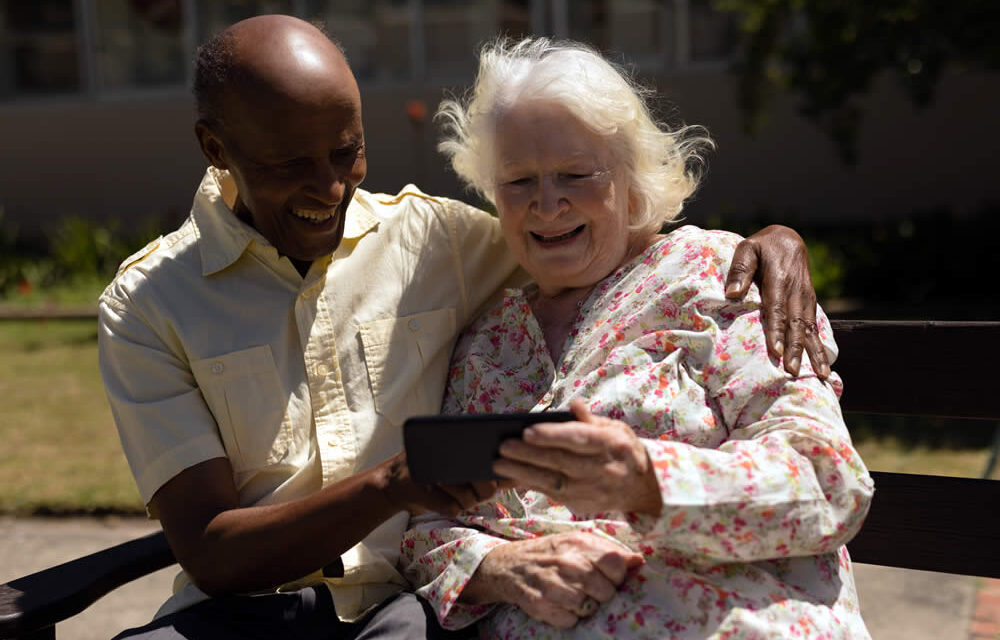
Age-friendliness focuses on the here and now. It looks at how older persons are treated, and whether their environments support dignity, independence and belonging.
An age-friendly society ensures that older persons:
- Live in safe, inclusive physical spaces
- Are met with respectful attitudes toward ageing
- Can access services and information easily
- Remain socially connected and active
- Are protected from abuse, neglect and isolation
These principles guide much of the work already being done by Tafta. It’s about compassion in action – responding to the immediate needs of older people and improving their quality of life today.
What is age-readiness?
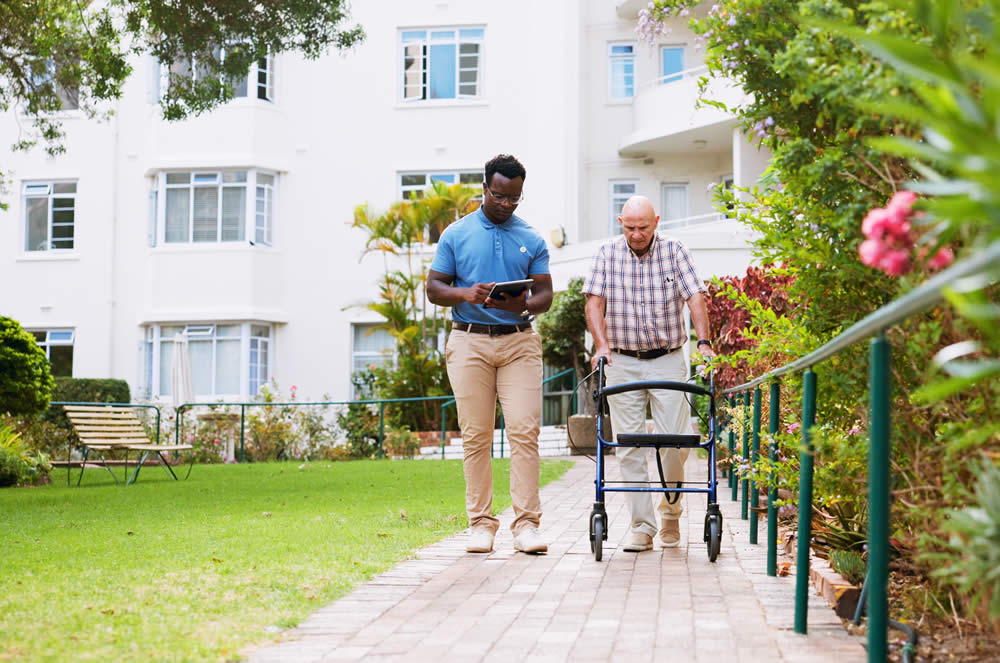
Age-readiness looks further ahead. It asks whether we are prepared for the reality of a rapidly ageing society, and whether our systems, policies and mindsets are evolving to meet that future.
Unlike age-friendliness, which adapts existing spaces and services, age-readiness requires deeper change. It challenges us to rethink how we design work, healthcare, housing, communities and care across the entire course of life.
Age-readiness includes:
- Planning for demographic change
- Building sustainable, flexible care models
- Training teams, professionals and communities for longevity
- Shifting mindsets about ageing early in life
- Designing systems that work across all stages of ageing
In short, age-readiness is about responsibility in motion – taking deliberate steps now to ensure tomorrow’s older population can age with dignity, safety and choice.

Why this matters now
In November 2025, South Africa took an important step forward with the signing of the Older Persons Amendment Act, 2025 into law. This Amendment modernises the original 2006 Act to better reflect contemporary realities such as ageism, fragmented care systems and the urgent need for protection in cases of abuse.
Key changes introduced by the Act include:
- A uniform definition of an older person as anyone aged 60 and over, regardless of gender – ensuring equity and equal access to services
- Stronger protection against abuse and neglect, including the ability to place older persons in temporary safe care without initial court delays in urgent cases
- Recognition of diverse care models, including independent living, assisted living, family care, and community-based services
- Clearer standards and accountability for caregivers and facilities, including required qualifications for professional care providers
- Improved interdepartmental coordination between social development, health, justice and law enforcement
These changes reflect a crucial shift – from reacting to ageing as a problem, to preparing for ageing as a shared social responsibility.

From age-friendly to age-ready: doing both
Age-friendliness is essential – but it is no longer enough on its own. Creating welcoming spaces, respectful services and immediate protections addresses today’s needs. Age-readiness ensures that those protections and supports will still exist tomorrow, at a scale and quality that our ageing population requires.
 Tafta’s new campaign, “Sisonke – we are together” bridges age-friendliness and age-readiness by bringing together compassion in action and responsibility in motion. it calls on care partners, communities, organisations and individuals to merge these two approaches – caring for older persons today, while actively preparing for the future we are all ageing into.
 A shared responsibility
Age-readiness is not only the responsibility of government or the care sector. It requires action across society:
- Communities that collaborate intentionally to reduce isolation and exclusion
- Businesses that invest in age-inclusive workplaces, services and infrastructure
- Families that are supported and recognised as partners in care
- Individuals who start thinking about ageing long before old age arrives
Because ageing is not something that happens to “other people”. It is a journey we are all on.
The question is not whether South Africa will age – but whether we will do so with dignity, intention and care. Age-friendly is how we show compassion today. Age-ready is how we honour tomorrow.

 When is it time for frail care? When it enhances dignity and quality of life.
 Tafta launches South Africa’s first immersive, age-friendly Virtual Reality platform
 Save tax with a Section 18A Certificate from Tafta
 Tafta CEO, Femada Shamam shares her reflections on the SONA
 Valentine’s Day on a budget – love that doesn’t cost a thing!
 Age-readiness vs Age-friendliness – preparing South Africa for long life
 Sisonke – ‘we are together’ – is Tafta’s theme for 2026
 From Durban Social Worker to Global Champion for Older Persons
 Christmas joy – good food and good company, thanks to you!
 Robin Hood Foundation spreads love across Tafta Homes