
Knowing about dementia is one thing
Experiencing it
changes everything
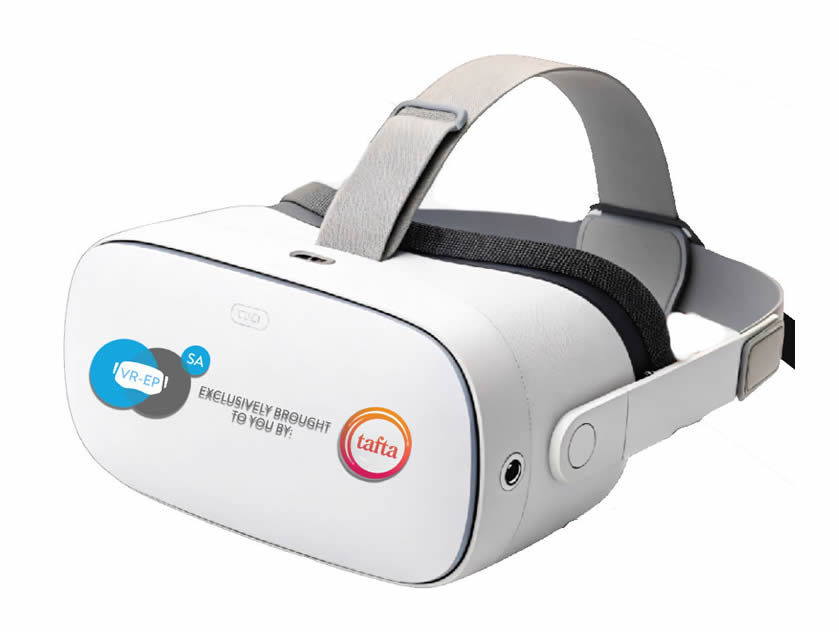
Step into their world with VREP
(Virtual Reality Empathy Platform)
South Africa’s first immersive, virtual reality experience designed to transform dementia understanding, care and environment design.
Dementia is more than memory loss
It affects perception, communication, movement, confidence, and emotional wellbeing – changing how people experience the world around them.
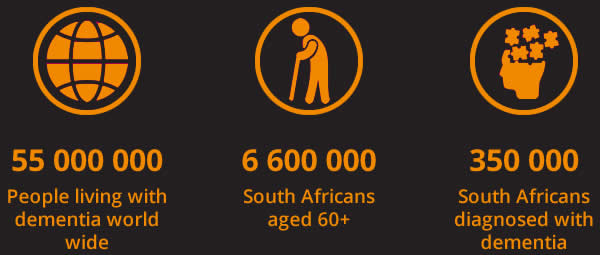
As life expectancy increases, the number of people living with dementia is expected to rise significantly. Understanding ageing and dementia is not optional – it is essential.


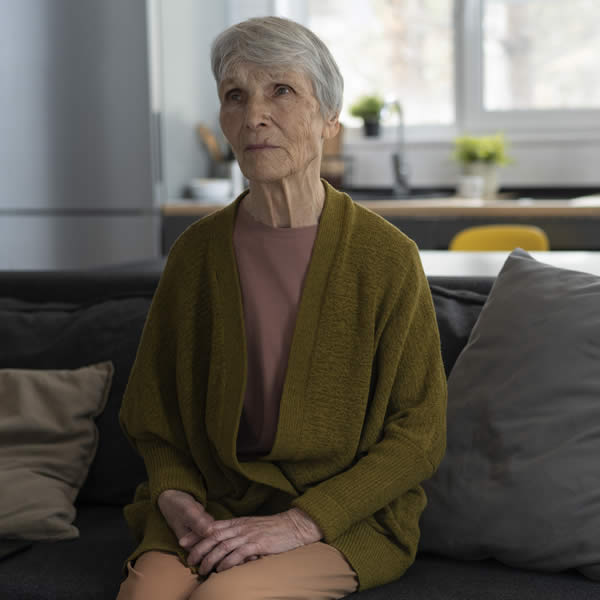
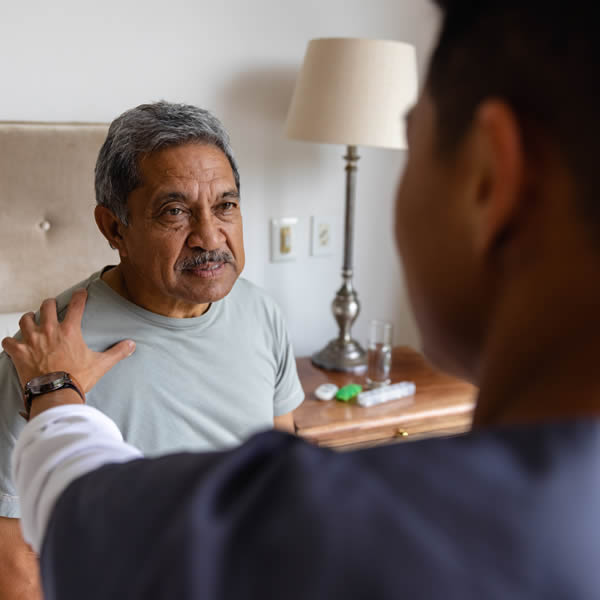
What if families and health care providers could experience dementia – instead of just learning about it?
Through immersive virtual reality and advanced empathy filters, VREP allows carers, families and healthcare professionals to experience the sensory, cognitive, and physical challenges faced by older people living with dementia and age-related conditions.
Rather than teaching through theory alone, VREP creates a powerful first-person experience.
Powered by LifeLens technology developed in the United Kingdom, VREP simulates the real-world effects of ageing and dementia in a safe, controlled environment. Participants are guided through realistic scenarios that recreate:
• Visual impairment and distortion
• Hearing and sensory challenges
• Mobility limitations
• Cognitive confusion and disorientation
• Emotional responses such as frustration, helplessness, and anxiety
The experience provides practical insight into how environments, interactions, and everyday tasks can become overwhelming or unsafe for older people living with dementia.
Unlike traditional training methods, immersive experiential learning strengthens emotional connection, engagement, empathy, and long-term knowledge retention.
Backed by world-leading research by the University of Stirling – internationally recognised for its leadership in dementia and ageing research into how environments and sensory experiences affect people living with dementia.

Who can benefit from VREP?
CARE PROVIDERS & SUPPORT STAFF
Develop more compassionate, patient-centred approaches to elder care, while improving communication and understanding of complex behaviours associated with dementia and ageing.
HEALTHCARE PROFESSIONALS
Support improved patient interaction, communication, and awareness among nurses, therapists, social workers, psychologists, counsellors, and multidisciplinary healthcare teams.
Families & caregivers
Build deeper emotional understanding and stronger connections with loved ones experiencing dementia or age-related cognitive decline.
Architects, Designers and property developers
Create safer, more intuitive, dementia-friendly environments through immersive design testing and age-friendly infrastructure planning.
Construction Companies & Built Environment Professionals
Strengthen inclusive design approaches and support Environmental, Social, and Governance (ESG) objectives through human-centred infrastructure development.
Corporate Training & HR Teams
Enhance staff development, emotional intelligence, empathy, and experiential learning outcomes within organisations and institutions.
Community organisations & educators
Support dementia awareness initiatives, community programmes, student learning, and age-friendly advocacy through immersive experiential education.
Corporate Innovation Licensing
VREP Corporate Innovation Licenses are avaialble for organisations, hospitals, architectural firms, design consultancies and development sectors. The platform supports:
Frequently Asked Questions
How long does the VREP experience take?
The duration of the VREP experience varies depending on the format.
Individual immersive sessions are typically preceded by a discussion on dementia, followed by guided reflection to help participants translate the experience into practical insight and real-world application.
Corporate licensing demonstrations are approximately 1 hour long, half-day workshops run for 4 hours, and full-day workshops extend to 8 hours.
Who can particiapte in the VREP experience?
VREP is suitable for healthcare professionals, care providers, families, educators, students, psychologists, counsellors, corporate teams, architects, designers, developers, and organisations interested in dementia awareness, empathy-building, and age-friendly transformation.
The platform is also valuable for community support groups, home-based care environments, and individuals supporting loved ones living with dementia or age-related cognitive decline.
Can VREP workshops be hosted at our organisation?
Yes. Tafta facilitates both hosted and on-site VREP experiences for organisations, institutions, healthcare facilities, universities, community groups, and stakeholder teams.
Workshops can be tailored to suit different sectors, audience sizes, training objectives, and operational environments.
Is the experience safe?
Yes. All VREP experiences are conducted in a safe, controlled environment with guidance and support provided throughout the session to ensure participant comfort and wellbeing.
Participants are advised to remain seated during the virtual reality experience to minimise possible dizziness or disorientation when transitioning back into the physical environment.
What makes VREP different from traditional dementia training?
Unlike traditional learning approaches that rely primarily on theory, VREP uses immersive virtual reality and empathy filters to provide a first-person perspective of the challenges associated with ageing and dementia.
This creates a deeper emotional connection, stronger understanding, and improved long-term knowledge retention by allowing participants to experience — rather than simply learn about — the realities faced by older people.
Is VREP only for healthcare and care environments?
No. While VREP has significant value within healthcare and elder care settings, its applications extend far beyond traditional care environments.
The platform also supports architects, designers, developers, HR teams, training professionals, psychologists, educators, students, community support groups, and organisations working toward more inclusive, dementia-friendly, and age-friendly environments.
VREP can help improve understanding within homes, workplaces, public spaces, and community programmes by encouraging more compassionate and informed responses to ageing and dementia.
Is VREP available outside Durban?
Yes. While VREP is currently facilitated by Tafta in Durban, the programme has already been presented at conferences and workshops in Johannesburg and Pretoria.
Tafta is actively expanding access across South Africa and remains open to facilitating workshops, demonstrations, and stakeholder engagements nationally.
Are corporate licensing options available?
Yes. Corporate Innovation Licenses are available for qualifying organisations seeking independent implementation for training, immersive design evaluation, and age-friendly transformation initiatives.
Licensing options are particularly suited to healthcare institutions, architectural firms, design consultancies, property developers, construction companies, and organisations focused on inclusive innovation and ESG objectives.
Why has Tafta introduced VREP to South Africa?
As one of South Africa’s leading organisations in elder care and ageing advocacy, Tafta recognises the growing need for more compassionate, informed, and age-friendly approaches to dementia care, training, and infrastructure development.
By introducing VREP to the South African market, Tafta aims to transform understanding into practical, human-centred action that improves care experiences, strengthens empathy, and supports more inclusive communities for older persons.
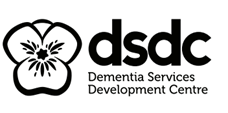


Voices from the VREP Experience
Experience VREP for yourself
Contact Iris Naidoo now to book a demonstration, group VR experience or training workshop.
(031) 332 3721
vrep@tafta.org.za

Together, Tafta and VREP are helping shape more compassionate communities, age-friendly environments, and informed approaches to dementia care across South Africa.
Through expansive media reach, international collaboration, and strategic engagement with organisations such as the Commonwealth Association for Ageing, the Global Ageing Network, and the Global Alliance for the Rights of Older People, Tafta promotes VREP within globally recognised conversations around ageing, dementia advocacy, and inclusive innovation.
As the exclusive South African implementation partner for VREP LifeLens, Tafta ensures:
• Localised and context-relevant integration
• Seamless implementation and facilitation
• Professional onboarding and support
• Sustainable programme development
• Practical insight informed by frontline elder care expertise