Heart palpitations – should you be worried?
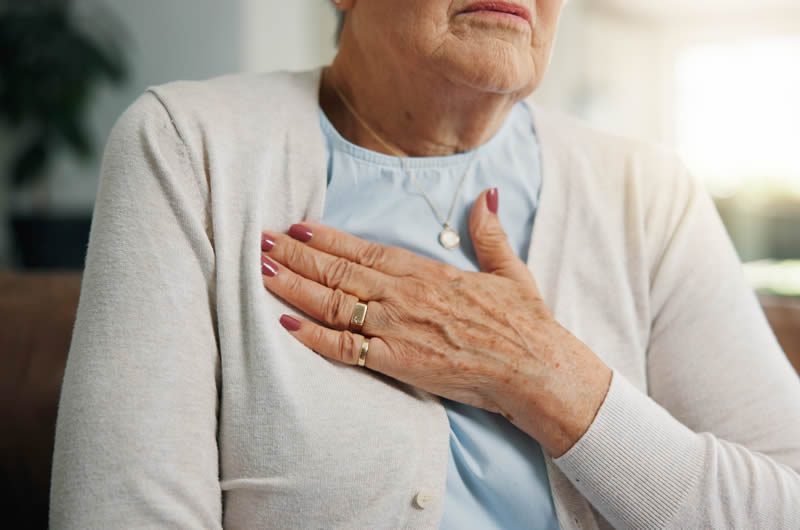
Heart palpitations – feeling your heart race frantically, pound or flutter as if it’s skipped a beat – can be frightening. Usually, heart palpitations are no cause for concern and go away on their own. They are commonly caused by:
- Stress and fatigue
- Dehydration
- Lack of sleep
- Stimulants such as caffeine, energy drinks, alcohol and cough & cold medications
- Fever
- An overactive thyroid gland
- High blood pressure
- Obesity
But, if your palpitations come with chest pain or tightness, severe shortness of breath, or dizziness and fainting, you should seek emergency medical care immediately, as cardiac arrest is a possibility.
High heart rate
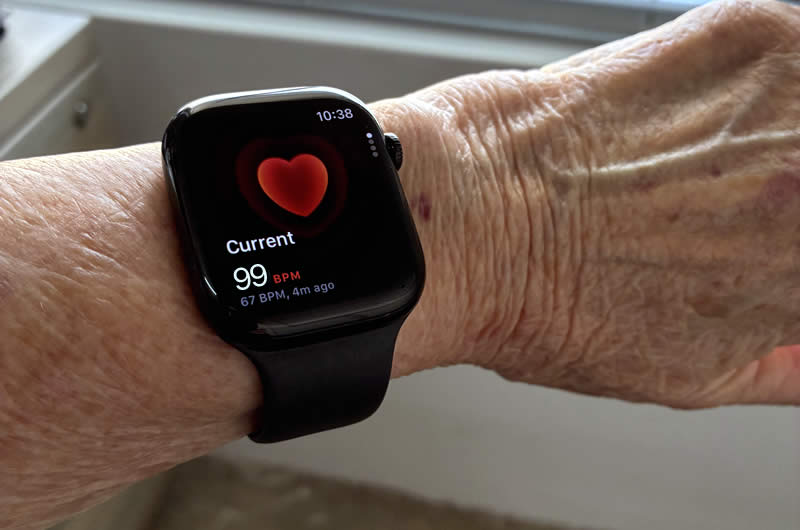
Another warning signal that could herald a stroke is when palpitations are accompanied by a high heart rate – over 100 beats a minute.
That was what 72-year-old Mrs M was experiencing. “I would wake up in the middle of the night with violent palpitations,” she said. “It felt as if my heart was trying to beat right out of my chest, and my heart rate would shoot up to 130 bpm or more, while I was lying resting in bed.”
Unfortunately, these symptoms were intermittent. So, when Mrs M went to the cardiologist, he found nothing amiss. In fact, her heart appeared to be in great shape – no blocked arteries, no thyroid issues and very low cholesterol. Her ECG was clear, even when she ran on the treadmill.
Her diagnosis came from, of all things, a smart watch.
Atrial Fibrillation
Mrs M was able to record an ECG in the middle of the night when the palpitations were at their worst. The watch diagnosed Atrial Fibrillation, which was confirmed by the cardiologist after checking the ECG recording.
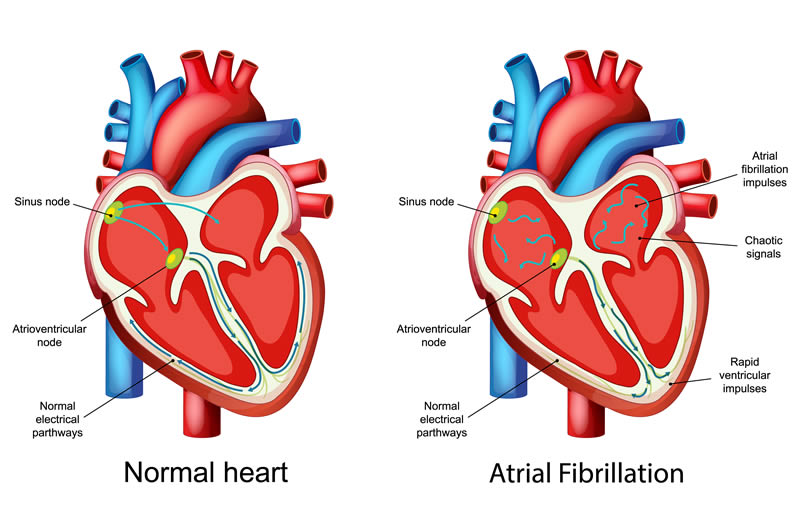
Atrial Fibrillation (AFib) is when the upper chambers of the heart quiver instead of beating properly, or beat at a different rate from the lower chambers. AFib is the most common type of arrhythmia and, although it can affect anyone, it’s much more common in the over 60s. As our South African population ages, the incidence of AFib is rising in our country.
Stroke danger
Left untreated, the condition can eventually cause heart failure, as AFib can weaken the heart muscle over time.
However, the biggest danger with this type of arrhythmia is that blood can pool in the upper chambers of the heart, causing clots to form. If the clots break loose, they may block an artery in the brain (leading to a stroke) or the leg (causing a thrombosis).
AFib Treatment Options
Depending on the severity, AFib may be treated with:
- Lifestyle Changes – improving diet and exercise quitting smoking, limiting alcohol and coffee, and managing stress.
- Medication – blood thinners, beta-blockers and anti-arrhythmia drugs.
- Surgical procedures – shock treatment, catheter ablation or pacemaker implants.
Because she was fit and healthy, Mrs M’s specialist recommended the ablation. It’s a relatively non-invasive procedure, where an electrode-tipped catheter is inserted into the main artery in the groin and guided up into the heart. Electrical currents or pulses are used to identify and safely destroy tiny areas of abnormal tissue inside the heart.
It takes about 3 months for the heart to heal after the procedure. But, if successful, the patient can return to a normal life, without having to depend on medication for the rest of their life.
Listen to your heart
The important message is not to panic if you experience occasional heart palpitations. But you shouldn’t simply ignore them either – especially if they are accompanied by other symptoms.
As Mrs M’s experience shows, listening to your body often provides an important clue. Keeping track of when your palpitations occur, how long they last and what your heart rate is at the time can help your doctor understand what is happening.
Data recorded by wearable devices – high heart rate, sleep apnoea and AFib – is increasingly being used to assist with diagnoses. So don’t be embarrassed to tell your specialist, “My watch says ….”
Getting the right diagnosis and treatment is crucial to managing conditions such as AFib – helping to protect your heart so you can continue enjoying life to the full.