
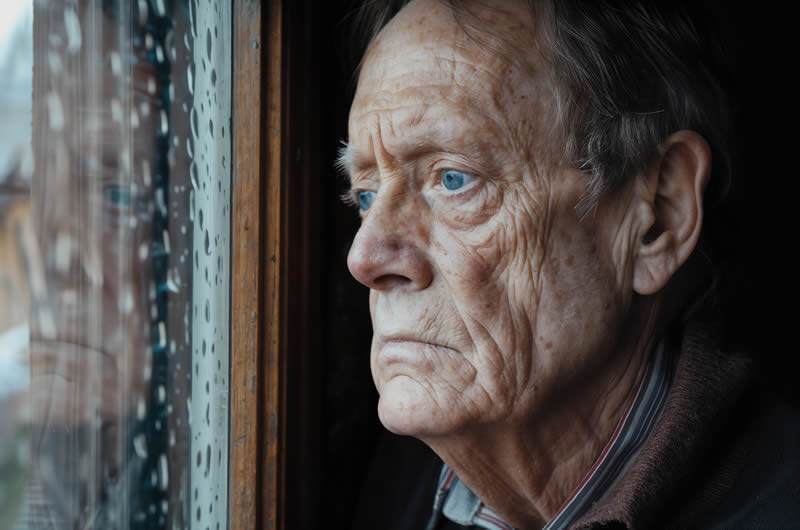
When Dad needs us – the hidden reality of elder abuse against men
When we think about elder abuse, many of us instinctively picture an older woman as the victim. While many victims are female, older men can also be vulnerable. Yet their experiences are often overlooked because of long-held beliefs that men are stronger, more independent, and better able to defend themselves.
The reality is that abuse does not discriminate by gender. Ageing can bring physical frailty, health challenges, loneliness, financial dependence, and social isolation – circumstances that can leave older men just as vulnerable as anyone else.
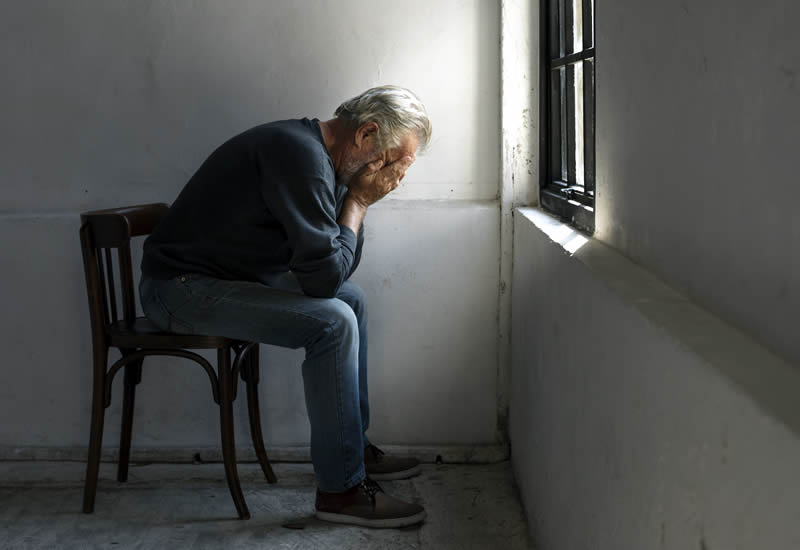
In fact, older men may be more at risk because they are less likely to talk about their struggles or seek help, because they grew up in an era where they were expected to be providers, protectors, and problem-solvers. Asking for help was often seen as a sign of weakness. As a result, an elderly man experiencing abuse may suffer in silence.
A widower who has lost his spouse may suddenly find himself living alone with little support. A father who is estranged from his children may have nobody checking on his well being. Others may depend on relatives, caregivers, or acquaintances who take advantage of their vulnerability.
Elder abuse is not always physical
When people hear the term “abuse”, they often imagine physical violence. While this does occur, elder abuse can take many forms.
Older men may become targets for financial exploitation. This could involve someone pressuring them to hand over money, misusing bank cards, manipulating them into changing a will, or taking control of assets without consent.
For men who spent decades working to provide for their families, financial abuse can be particularly devastating.
Emotional and verbal abuse
Words can wound deeply. Constant criticism, insults, threats, humiliation, or treating an older person as though they are incapable can erode self-esteem and dignity. An elderly man may be mocked for his age, health problems, or dependence on others.
Over time, this emotional abuse can lead to anxiety, depression, and a profound sense of worthlessness.
Neglect
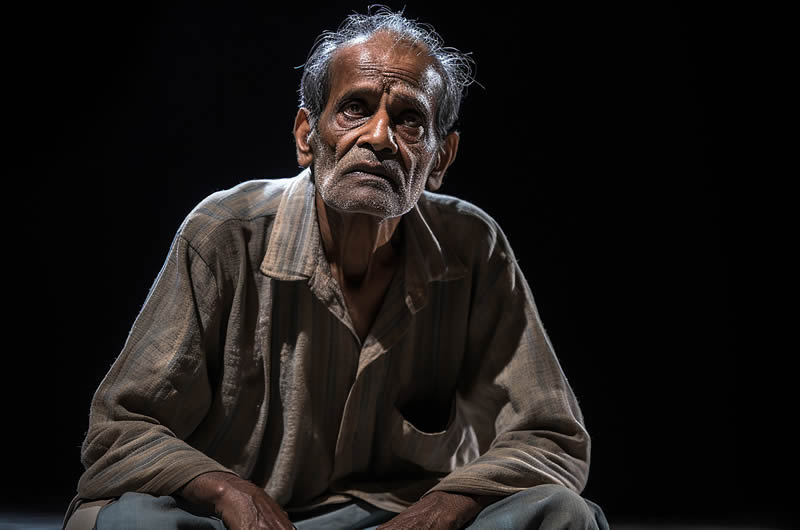
Neglect is one of the most common – and least recognised – forms of elder abuse.
An older person may be left without adequate food, medication, medical care, hygiene assistance, or a safe living environment. Sometimes the neglect is intentional; sometimes it occurs because there is simply no one to care.
Social neglect can be equally harmful. An older man who spends days or weeks without meaningful human contact may experience loneliness, isolation, and declining mental health.
No one should have to grow old feeling forgotten.
Recognising the warning signs
While every situation is different, some common signs of elder abuse or neglect include:
- Sudden changes in mood or behaviour
- Withdrawal from social activities
- Poor hygiene or unexplained weight loss
- Unpaid bills despite adequate income
- Unexplained injuries
- Fearfulness around certain individuals
- Missing possessions or unusual financial transactions
- Signs of loneliness, depression, or hopelessness
If something doesn’t seem right, trust your instincts and investigate further.

Father’s Day – an opportunity to reconnect
Along with World Elder Abuse Day, this month also brings Father’s Day, making it the perfect time to reflect on the important men in our lives.
For some families, Father’s Day means gifts, braais, and celebrations. But often what older fathers value most is something much simpler – our time, attention, and presence.
A phone call. A shared meal. A visit. A genuine conversation.
These small acts can make an enormous difference, particularly for fathers who live alone or who have lost a spouse.
Show your appreciation
If your dad, grandfather, uncle, or another older male role model is still part of your life, consider taking a little extra time to show your appreciation.
- Visit him in person rather than simply sending a message.
- Ask about his memories and life experiences.
- Include him in family activities and celebrations.
- Offer practical help with tasks he may find difficult.
- Encourage him to stay socially connected.
- Simply listen.
Feeling seen, valued, and loved is something we all need, regardless of age.
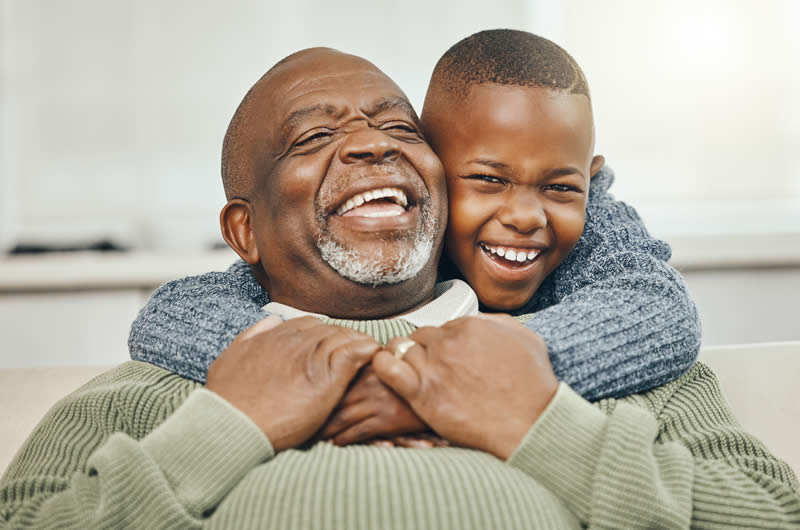
Every older person deserves to age with dignity, respect, and security.
World Elder Abuse Awareness Day on 15 June reminds us that abuse can happen to anyone – including the fathers, grandfathers, brothers, and uncles we love. By paying attention, maintaining connections, and speaking up when something seems wrong, we can help protect vulnerable older men from becoming invisible victims.
This Father’s Day, let’s celebrate the men who have shaped our lives. More importantly, let’s ensure they know they are not forgotten.
Because sometimes the greatest gift we can give an older person is simply reminding them that they matter.
Show your support for World Elder Abuse Awareness Day.
More about Tafta’s response to Elder Abuse.


 What is the #OldEnoughTo campaign about – and why does it matter?
 New gym opens at John Conradie House, in partnership with Virgin Active
 Saving for retirement – are you on track?
 Call for systems that keep pace with longer lives this International Day of Older Persons
 2026 AGM shines a spotlight on achievements at Tafta
 Volunteer Appreciation Celebration recognises vital contribution of Tafta volunteers
 Heart palpitations – should you be worried?
 Tafta turns care into opportunity for women
 Caring for the Caregiver: how to support the person supporting your loved one
 Your heart has looked after you – now it’s your turn to look after your heart