
Caring for the Caregiver: how to support the person supporting your loved one
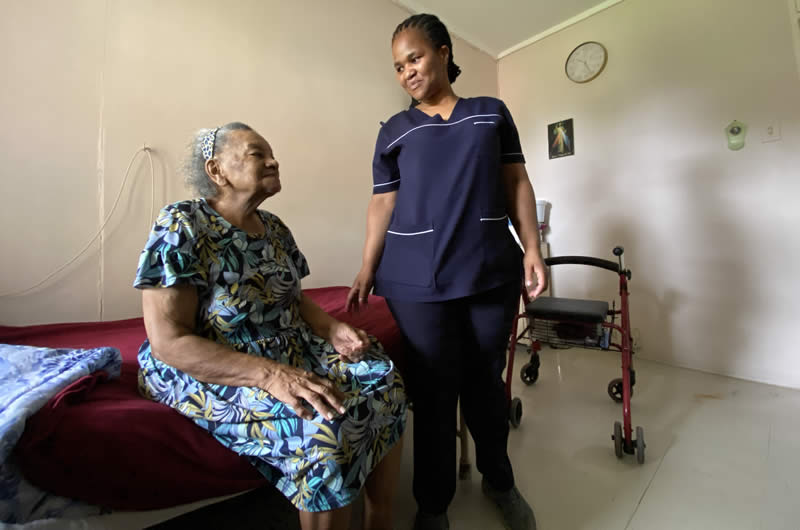
Whether they’re a professional caregiver or a devoted family member, caregivers play an invaluable role in the lives of older persons. They provide practical assistance, emotional support, companionship and, often, comfort during life’s most challenging moments.
While so much attention is focused on the person receiving care, it’s easy to overlook the wellbeing of the caregiver.
Caregiving is deeply rewarding, but it can also be physically demanding and emotionally exhausting. Supporting the caregiver doesn’t only benefit them – it also helps ensure your loved one receives the best possible care.
Share the little things that matter
Every older person is unique. A professional caregiver may be trained to provide personal care or dispense medication – but it’s the personal details that help transform good care into exceptional care.
Take time to tell the caregiver about your loved one’s:
- Favourite foods and drinks
- Daily routines and preferred sleeping times
- Favourite television programmes, music or hobbies
- Family traditions and important memories
- Religious or cultural practices
- Likes, dislikes and comfort items
- Preferred name or nickname
- Mobility needs and communication preferences
These seemingly small details help caregivers build trust, reduce anxiety and create a more familiar, comforting environment for the older person.
Keep communication open
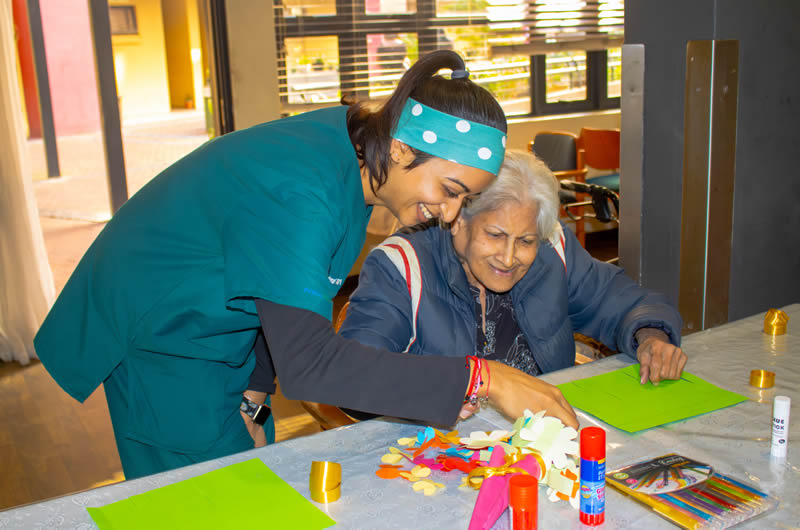
Good care is built on teamwork. Encourage honest, respectful communication between family members and caregivers.
Regular check-ins provide an opportunity to discuss any changes in health, behaviour or routines before they become bigger concerns. Caregivers should also feel comfortable asking questions or raising concerns without worrying about criticism.
Working together creates consistency, which helps older persons feel safe and secure.
Recognise that caregiving is hard work
Helping someone move safely, assisting with bathing, preparing meals and providing emotional support throughout the day requires both strength and patience.
A simple “thank you”, acknowledging their efforts or asking how they’re doing can go a long way in making caregivers feel valued and respected.
Feeling appreciated helps build positive relationships, which ultimately benefits everyone involved.

If you’re a family caregiver, remember that you matter too
Many family caregivers devote so much time and energy to caring for a loved one that their own needs fall to the bottom of the list. Over time, this can lead to exhaustion, stress and burnout.
Remember that taking care of yourself isn’t selfish– it’s an essential part of being able to care for someone else.
Follow these tips to prevent burnout.
Debrief after difficult days
Some days are harder than others. Perhaps your loved one became confused or distressed. Maybe they refused medication or had a difficult medical appointment. These moments can leave caregivers feeling overwhelmed, frustrated or even guilty.
Rather than bottling up those emotions, take time to process them. Talk to someone you trust, write in a journal, spend a few quiet moments reflecting or, if needed, seek support from a counsellor or caregiver support group.
Sharing your experiences can help you feel less alone and better prepared for tomorrow.
Take care of your body
Caregiving often involves lifting, bending or standing for long periods. These physical demands can take a toll on your body.
Listen to what your body is telling you. Stretch regularly, use proper lifting techniques whenever possible, wear supportive footwear and don’t ignore persistent aches and pains.
Even short breaks throughout the day to sit down, have a cup of tea or glass of water, or gently stretch can help reduce fatigue.
Accept help when it’s offered
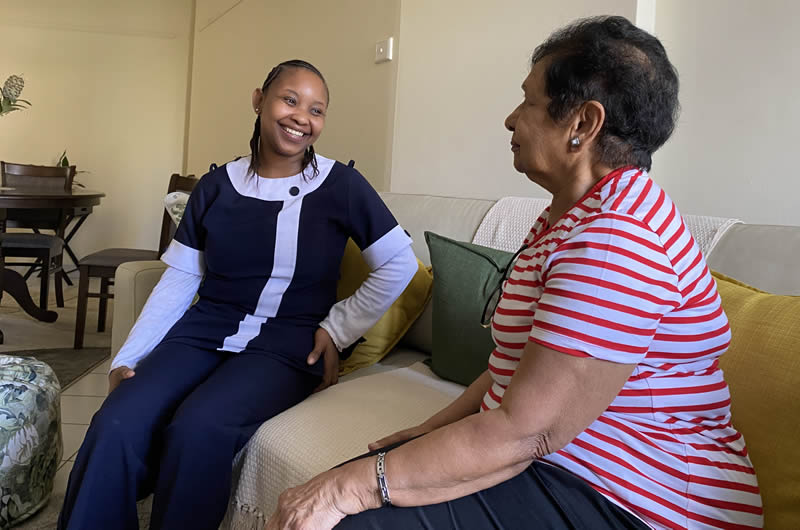
Many caregivers find it difficult to ask for help, believing they should be able to manage everything on their own. The truth is that accepting support is a sign of wisdom, not weakness.
If family or friends offer to prepare a meal, collect groceries, drive to appointments or spend time with your loved one while you take a break, say ‘yes’.
Those small breaks, and having someone share the load, make a significant difference.
Make time for yourself
Looking after your own wellbeing doesn’t have to mean taking an entire day off. Just 20 to 30 minutes spent doing something you enjoy can help restore your energy.
Go for a walk, read a book, tend to your garden, meet a friend for coffee, enjoy a hobby or simply sit quietly with a cup of tea.
These moments of self-care help you return to your caregiving role feeling more patient, refreshed and resilient.

Remember that no one is expected to do it alone
Caring for an older loved one is one of the greatest gifts we can give, but it shouldn’t come at the expense of the caregiver’s own health and happiness.
At TAFTA, we understand that supporting older persons also means supporting the people who care for them. Whether through our professional home-based care services, residential care, respite options or guidance for families, we believe that good care is always a partnership.
When caregivers feel supported, appreciated and equipped, everyone benefits – especially the older person at the heart of that care.




 What is the #OldEnoughTo campaign about – and why does it matter?
 New gym opens at John Conradie House, in partnership with Virgin Active
 Saving for retirement – are you on track?
 Call for systems that keep pace with longer lives this International Day of Older Persons
 2026 AGM shines a spotlight on achievements at Tafta
 Volunteer Appreciation Celebration recognises vital contribution of Tafta volunteers
 Heart palpitations – should you be worried?
 Tafta turns care into opportunity for women
 Caring for the Caregiver: how to support the person supporting your loved one
 Your heart has looked after you – now it’s your turn to look after your heart