What is the #OldEnoughTo campaign about – and why does it matter?
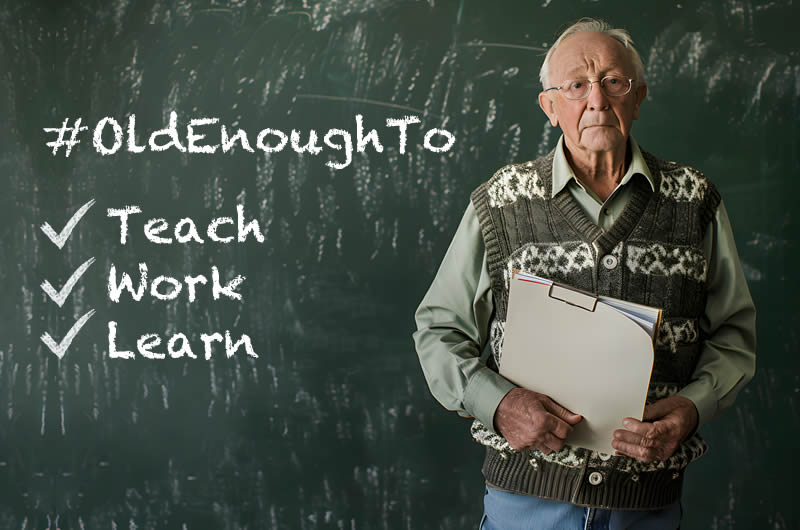
#OldEnoughTo is a campaign initiated by the Office of the United Nations High Commissioner for Human Rights (OHCHR) Older Persons Unit to combat ageism and create awareness around the human rights of older people.
It’s a play on the seldom spoken, but often assumed, phrase that people over a certain age are “too old to …” Work. Dream. Learn new skills. Understand technology – and many other activities that bring fulfilment to daily life.
#OldEnoughTo turns that assumption around. It challenges older people to complete the sentence, based on their experience and what matters to them.
For example:
- Old enough to be hired and promoted.
- Old enough to use digital platforms and tools.
- Old enough to learn something new.
- Old enough to decide where I live, and what care and support I need.
- Old enough to change direction.
- Old enough to speak for myself.
- Old enough to begin again.
- Old enough to be treated with respect.
Worldwide, people are living longer. But long life does not automatically come with more opportunities or more choices. The places we live, the way we work, and the systems around us often determine what remains possible as we age.
#OldEnoughTo asks us to rethink the assumptions built into the systems around us, in order to enable older people to live with dignity and equality.
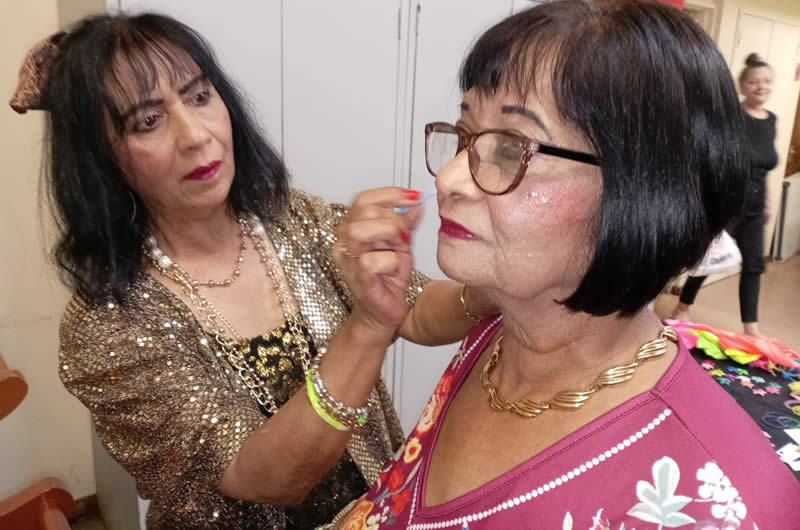
#OldEnoughTo feel beautiful
What is ageism?
In a nutshell ageism is about how we view and treat our elders. Ageism can make older people less visible. It shapes assumptions about what they can understand, decide, contribute or aspire to – and those assumptions determine how they are treated.
Survey data from 83,034 people in 57 countries estimates that one in every two people worldwide holds moderate to high ageist attitudes towards older people (WHO, 2021a).
This is particularly noticeable in the workplace, where older people routinely face discrimination. They may be forced to retire, or be given fewer – if any – training and learning opportunities. Their ideas and suggestions may not be respected, or even heard.
Employment vacancies often have an age limit. Although it’s seldom stipulated or mentioned, one glance at the applicant’s birth date is enough for them to be put straight into the ‘reject’ pile.
Yet age does not define a person’s knowledge, abilities, ambitions or right to have a say, especially when it comes to decisions about their own lives.
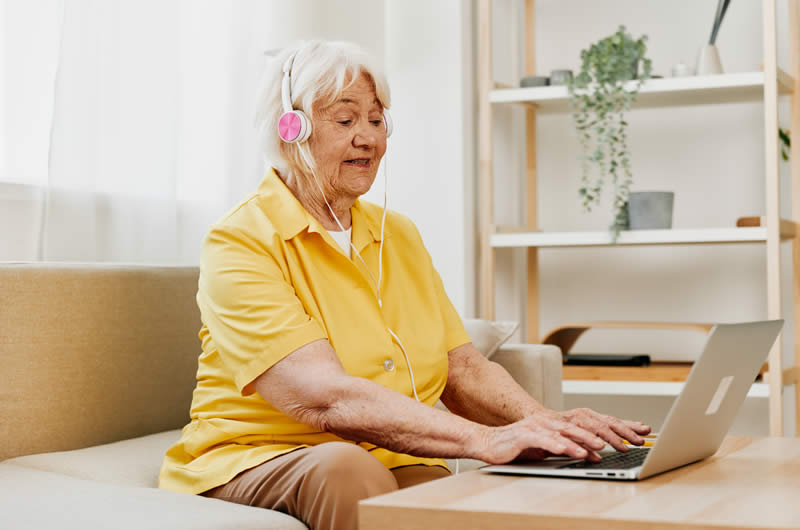
#OldEnoughTo work
What are you #OldEnoughTo do?
The campaign challenges older people to express what they want to do or be, and the barriers that prevent this.
Mobility issues often create barriers. For example, an elder who needs a walking frame or wheelchair cannot easily navigate stairs or public transport. Yet these barriers are easily solved via lifts, ramps and trained staff – if systems are thoughtfully designed to include older people.
Apart from practical considerations, older people themselves may have ingrained notions of what they can and cannot do ‘at my age’. If you are in your 60s, 70s or 80s, here are some ideas to inspire you.
#OldEnoughTo get a degree
Many people who grew up in the 60s and 70s never had the opportunity to study for a degree. In those days, university was a real privilege – reserved for those with well-off parents or exceptional ability.
But things have changed, and if you feel you missed out back in the day, there’s nothing to stop you studying for your degree in your golden years.
After being forced to retire at age 65, Mrs H enrolled as a mature student at university and obtained her first degree in English. She enjoyed it so much that she went on to get another two degrees. At age 85 she was half way through her Masters in Mediaeval and Ancient History when failing eyesight forced her to set aside her books.
Dr Mandlakayise Victor Langa achieved his Doctor of Education degree at the age of 70, from the University of Zululand (UNIZULU).
“I am seven years into my retirement now,” he said, “but this was something I always wanted to do.”
Lifelong curiosity and a thirst for knowledge are cornerstones of active ageing. Even if there is no material advantage involved in gaining a new qualification, it can bring a wonderful sense of achievement and fulfillment.
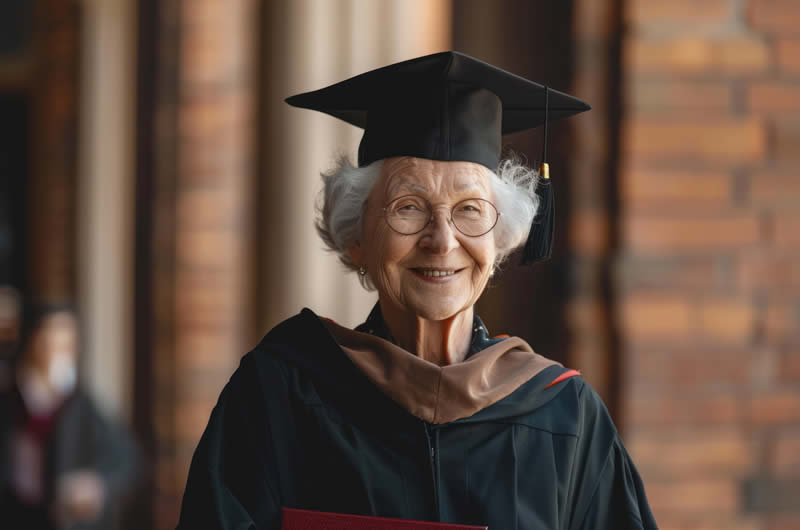 #OldEnoughTo get a degree
#OldEnoughTo run a marathon
Age is no barrier to achieving a sporting milestone! Stories abound of older men and women who didn’t take up running until later in life, and went on to compete successfully in marathons.
In June 2026, Johannes Mosehla, 84, from Polokwane, Limpopo, became the oldest finisher of the Comrades Marathon, crossing the line almost an hour ahead of the cut-off time. This marked his third time as oldest finisher, having achieved the distinction in 2023 (aged 81) and 2025 at 83.
Johannes has no intention of calling it a day. He belongs to the Polokwane Athletic Cub and often gets up at 2 am to get his training runs in.
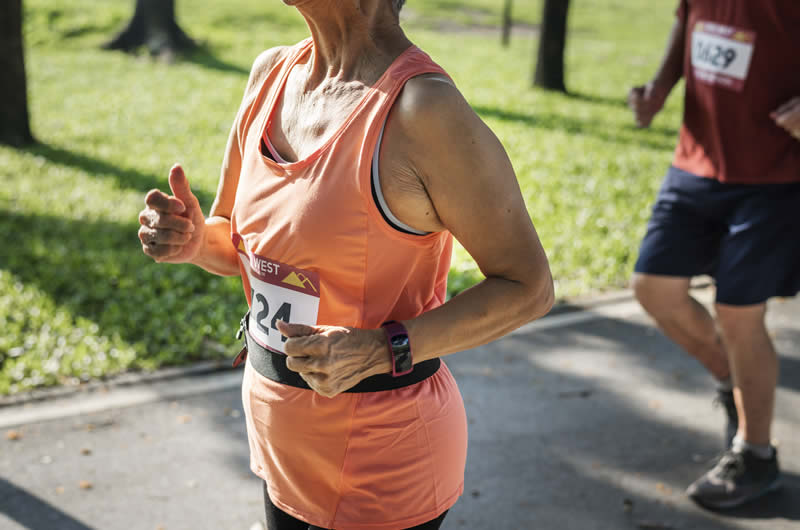
#OldEnoughTo get a job
Just because you’ve reached retirement age doesn’t have to mean the end of your working life. Although it may be harder to find the right job, some employers value older people for their experience and confidence – especially in the financial planning/advice sector.
Depending on your strengths, you could find a job in accounts, sales, real estate, admin and clerical positions, data capture and the care sector.
You could even start your own business – why not? Put your knowledge and skills to work to provide products and services in your community. Or – if money isn’t important – look for opportunities to volunteer.
Join the Robin Hood Foundation’s ‘sarmie army’ or contact a children’s home or an organisation like Tafta to enquire about opportunities available. Call our volunteer co-ordinator on 031 332-3721.
#OldEnoughTo be heard
If you feel strongly about something that affects you, speak up! Don’t allow others to speak for you, or speak over you.
Family members often assume an older adult cannot understand the conversation or articulate their thoughts quickly enough. Instead of waiting for you to speak, they jump in out of habit, impatience, or because they want to make things easier for you.
But, when you are not allowed to speak for yourself, you can end up feeling invisible, or like a child in the conversation. Long-term, this can lead to loss of independence and low self-esteem.
When someone interrupts you, continue speaking as though you haven’t been interrupted. You might feel that it’s rude to continue, but you’re showing them that it’s not OK to cut in.
Don’t raise your voice or start to mumble – just continue talking in the same tone. You can also use a visual cue, such as holding up your hand to indicate that you haven’t finished speaking.
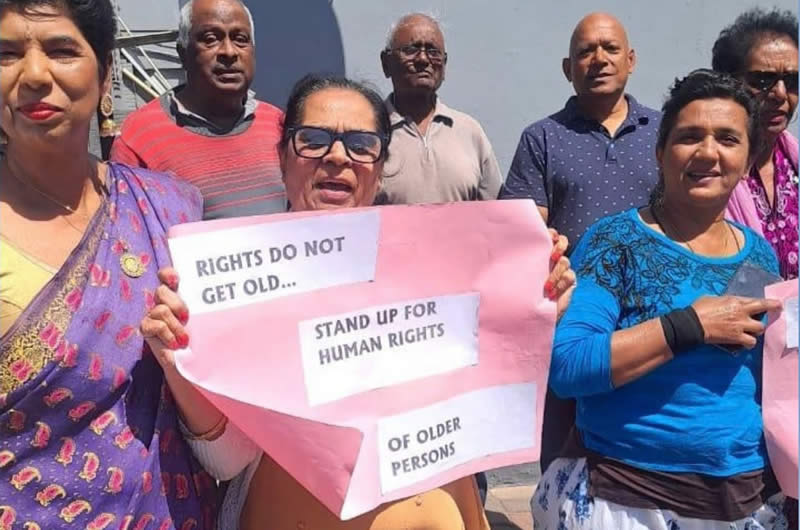
#OldEnoughTo start a podcast
Who says you need to be young or tech-savvy to become a podcaster? With a lifetime of experiences, knowledge, stories and wisdom to share, older people have plenty to talk about – and an audience that could benefit from listening!
Take Mr R, a resident at Tafta, who has started his very own podcast while living at one of our facilities. He is proof that age need not stand in the way of exploring new technology, finding your voice or connecting with the world in a completely new way.
Podcasting offers older people an opportunity to share personal experiences, offer advice, discuss topics close to their hearts or simply enjoy meaningful conversations. It can also open doors to new friendships, networks and connections across generations and geographical boundaries.
And getting started may be easier than you think! All you really need is a smartphone or computer, an internet connection and something you are passionate about discussing. Free recording and editing tools are available, while platforms such as Facebook make it possible to post stories and reach viewers around the world.
Whether you want to share historical stories, discuss current affairs, pass on valuable life lessons or interview interesting people, there is room for your voice in the digital world.
After all, decades of experience make for some pretty interesting conversations. Why not let the world listen?
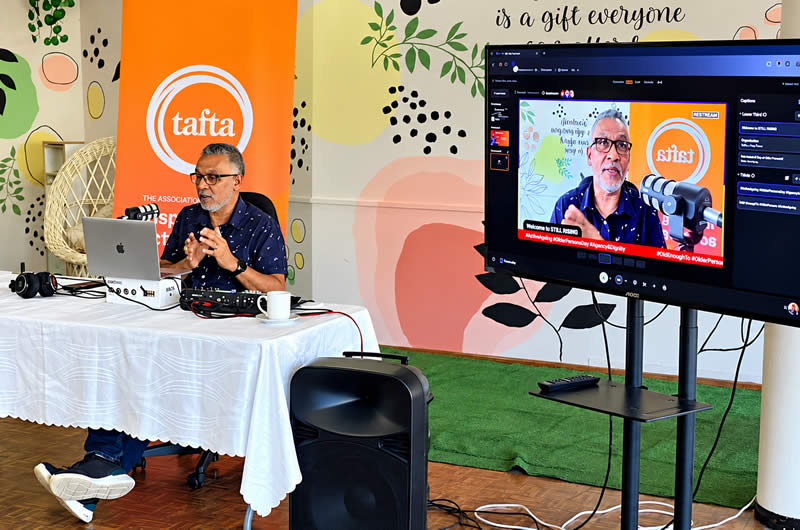
Mr R, broadcasting from his home at Tafta.
#OldEnoughTo slow down and relax
Not everyone wants to start a new career in their 70s, run a marathon or go back to university. And that’s perfectly ok. The point of the campaign is to move away from assumptions based on a person’s age … to see, treat, and acknowledge them as individuals.
Some older people may be looking forward to the day they can retire and spend more time on hobbies like reading, playing golf or meeting friends for coffee. Some may be only too happy to have a grown-up son or daughter help them make decisions about where to live or how to invest their savings. Others may have health issues that impact choices about daily life.
Older people are individuals with different abilities, needs, preferences and opinions. Simply put, the campaign highlights the importance of rejecting age as a reference point for what older people want or need.
 What is the #OldEnoughTo campaign about – and why does it matter?
 New gym opens at John Conradie House, in partnership with Virgin Active
 Saving for retirement – are you on track?
 Call for systems that keep pace with longer lives this International Day of Older Persons
 2026 AGM shines a spotlight on achievements at Tafta
 Volunteer Appreciation Celebration recognises vital contribution of Tafta volunteers
 Heart palpitations – should you be worried?
 Tafta turns care into opportunity for women
 Caring for the Caregiver: how to support the person supporting your loved one
 Your heart has looked after you – now it’s your turn to look after your heart