El Niño brings increased risk of heat stroke – how to keep your cool when the heat is on
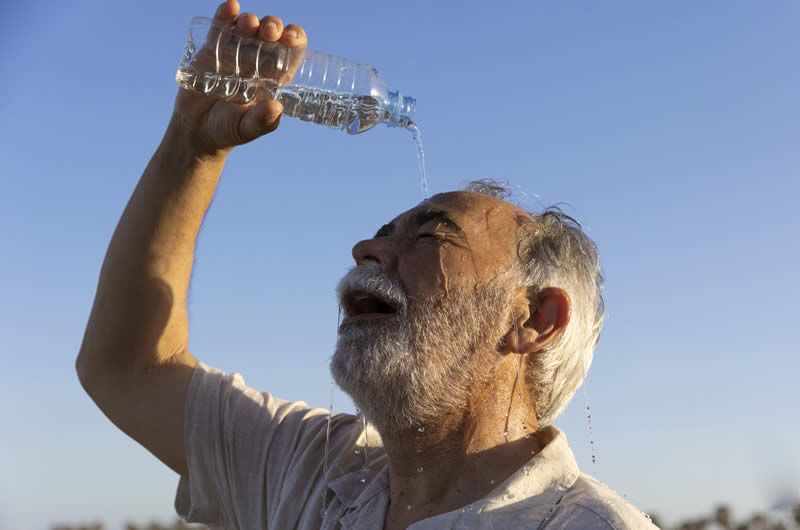
All the indications are that the summer of 2026/27 could be the hottest ever recorded in South Africa. Experts are predicting a record-breaking “super” El Niño, creating life-threatening heatwaves and water scarcity across our country.
According to the Climate Impact Lab, more than 450 000 heat-related deaths are expected across the globe this summer – not counting the impact of droughts, wildfires and flooding caused by hotter temperatures and shifting rainfall patterns.
Extreme heat can cause dehydration, heat exhaustion and heatstroke. Older people, and infants are most at risk, along with people who work outdoors and those with cardiovascular, respiratory or kidney disease.
In South Africa’s tightly packed informal settlements where people have no affordable option to cool homes, heat radiating off tin sheeting and poor ventilation can easily lead to lethal conditions.
How to keep cool during a heatwave
Keep out of direct heat if at all possible. Stay indoors during the hottest part of the day (between 11am-4pm) and drink plenty of water. If you must go out, use sunscreen and a wide-brimmed hat to protect yourself from direct sun.
Drink plenty of water, even if you’re not thirsty. Being well hydrated is your first line of defense against heat exhaustion and heat stroke. Drinks like coffee or alcohol are dehydrating, and should be limited or avoided completely. If you are sweating profusely, have a sports drink or rehydration solution to replace lost electrolytes.
At home, close windows, curtains, and blinds where the sun shines in during the day. Open windows and doors in the evening and early morning, when the outside air drops below indoor temperatures.
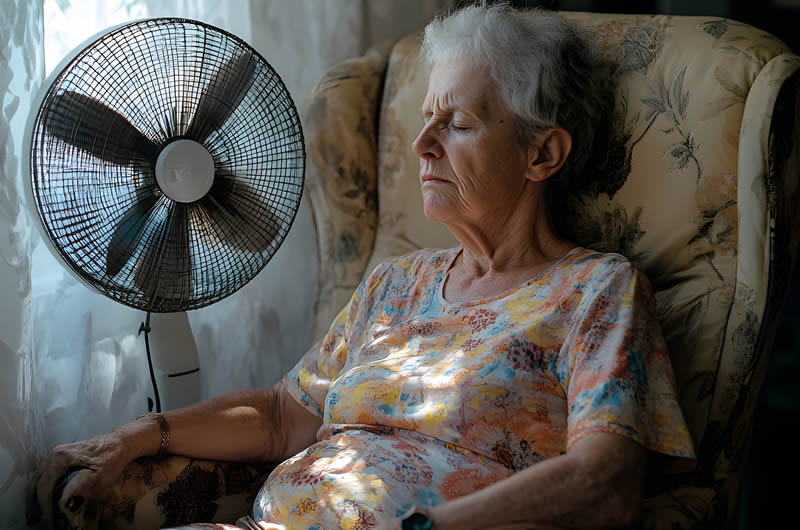
Hanging a damp sheet in front of an open window is also a good way to cool air entering your home. If you have a fan, place a frozen ice pack in front of it, to blow chilled air through the room. Avoid using the oven, stove or incandescent light bulbs that radiate heat.
If your home is unbearably hot, escape to an airconditioned shopping centre or shady park. Remember to take your water bottle with you!
Reduce or reschedule strenuous outdoor exercise or physical labour. Take frequent breaks in shaded or air-conditioned areas and drink plenty of water.
What is heat stroke?
Heat stroke is a severe, life-threatening medical emergency that happens when your core body temperature rises to 40°C or higher. It can be caused by prolonged exposure to environmental heat, or by physical exertion during hot weather.
Symptoms include flushed skin, rapid breathing, a racing pulse, nausea/vomiting, confusion, slurred speech, delirium, seizures or coma.
What to do if someone has heat stroke
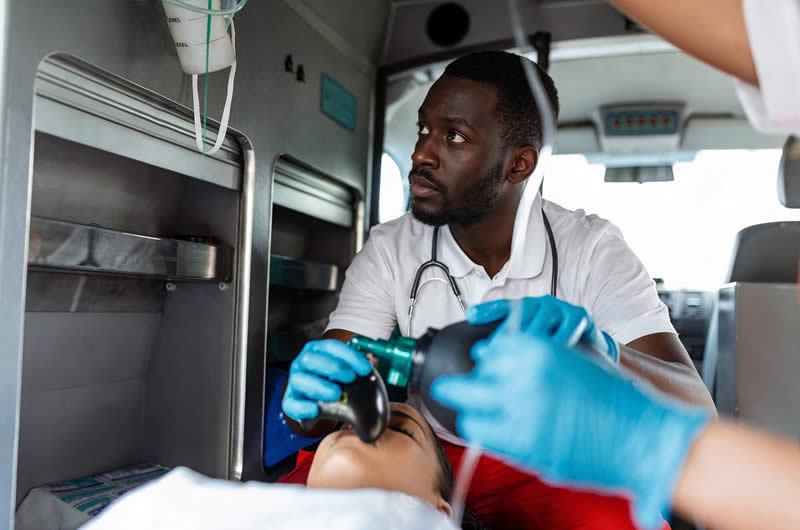
Call for medical help immediately. Dial 10177 for National Ambulance Services or 112 free of charge to be routed to the nearest emergency centre. Or call a private service like Netcare emergency services on 082 911.
While you wait for assistance, move the person into the shade or a cool or air-conditioned indoor space. Remove excess clothing and spray them with cool water, or apply cool, damp cloths or ice packs to their neck, armpits, and groin.
Do not give fever-reducing medications like aspirin or paracetamol; these do not help and may be harmful to someone suffering from heat stroke.
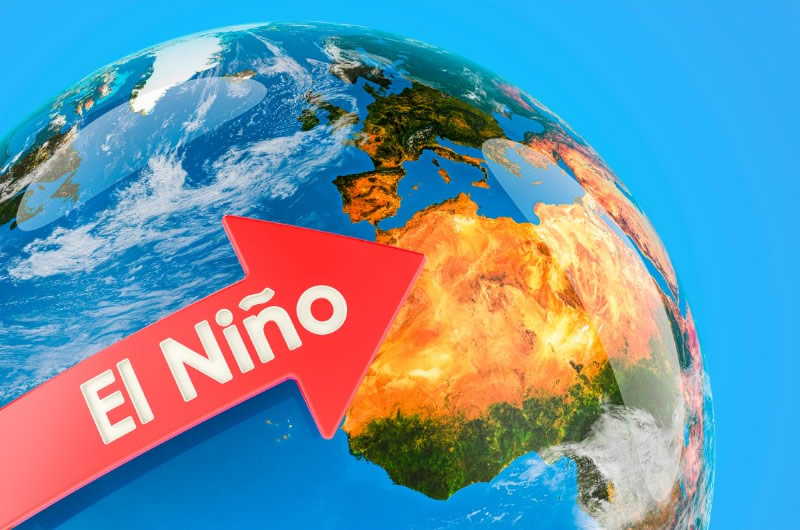
What is El Niño?
El Niño is a naturally occurring climate pattern associated with high temperatures and low rainfall or drought. It occurs irregularly, every two to seven years, when the surface temperate of the tropical Pacific Ocean warms up.
Normally, trade winds blow from east to west across the Pacific, pushing warm surface water toward Asia and Australia. During El Niño, these winds weaken or reverse direction, and the warm water flows back towards South America.
This results in heavy rainfall, severe storms and coastal flooding in South America, while southeast Asia and Australia experience high temperatures, wildfires and severe drought. In South Africa, El Niño may bring drought to some regions and flooding to others. These extremes can lead to crop and livestock loss, impacting food production and pushing up the cost of food.
Expert forecasts show the current El Niño is steadily intensifying, potentially becoming one of the strongest on record. It is expected to peak between October and December 2026, but its effects could be felt well into 2027.
Forewarned is forearmed
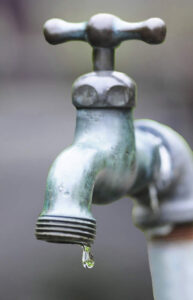 Many South Africans are already experiencing intermittent water supplies as municipal infrastructure crumbles. Should El Niño bring drought, the situation could get a lot worse.
If you’re tempted to store water, be sure to use a covered container to prevent contamination. If necessary, boil water before drinking to eliminate water borne diseases like cholera. Even though water is scarce, don’t skip hand-washing, especially before handling food.
The good news is that small, practical steps can make a real difference. By using water wisely, fixing leaks, collecting rainwater where possible, and keeping a supply of safe drinking water on hand, we can be better prepared for interruptions.
We may not be able to control the weather or the state of our infrastructure, but we can take steps to protect our health from both the heat and possible water shortages.



 El Niño brings increased risk of heat stroke – how to keep your cool when the heat is on
 What is the #OldEnoughTo campaign about – and why does it matter?
 New gym opens at John Conradie House, in partnership with Virgin Active
 Saving for retirement – are you on track?
 Call for systems that keep pace with longer lives this International Day of Older Persons
 2026 AGM shines a spotlight on achievements at Tafta
 Volunteer Appreciation Celebration recognises vital contribution of Tafta volunteers
 Heart palpitations – should you be worried?
 Tafta turns care into opportunity for women
 Caring for the Caregiver: how to support the person supporting your loved one