
Old Age Grant fails to meet basic care needs
Although we welcome the inflation-linked old age grant increase of 5% announced by Finance Minister Enoch Godongwana in his Budget Speech on Wednesday, 23 February 2022, it still falls far short of the cost of meeting their basic needs.
Tafta has sounded a warning to Parliament to pay attention to the growing burden of an impoverished population of elders. Our CEO, Femada Shamam, said that “Despite the R95 increase, we are bracing ourselves for continued demand on our services. The reality is, an increasing number of older people are in need of care, protection and support.”
“Tafta has been involved in the aged care sector for over 63 years, and deals with the impact of these minimal increases,” she said. “Older people are finding it increasingly impossible to pay for their most basic needs like health care and food. If South Africa cannot care for this population group now, how will we address the challenge of our growing ageing population – which is expected to reach around two thirds of the global population by 2050?”
Shamam warned that without policy changes, South Africa would see a continued increase in elderly people living below the poverty line, coupled with the burden of elder care resting on the working population. She was speaking from a gathering of sector experts in Johannesburg, where the National Department of Social Development is in discussions to develop a National Strategy on Ageing for South Africa, aimed at improving the quality of life of the aged.
“We hope that in coming together in this forum, we will find a way to enable older people to live a life of meaning and purpose,” Shamam said.
The consultation is set to conclude this week, with stakeholder inputs into the National Strategy as well an implementation plan for the Decade of Healthy Ageing. The Older Persons Amendment Bill is also to be Gazetted for public comment and implementation.
“The National Strategy focusses on four main areas: Empowerment, Maintenance and wellbeing, Enabling and supporting environments, and Protection and Advocacy. If we are able to deliver on set objectives, perhaps there is hope for future generations of the ageing population to retire in dignity in wellbeing,” she said.
Currently, Tafta has to meet a 64% shortfall in care costs for elders in its care, even after an elder’s pension contribution and the government subsidy for care services. Compounded by the difficult fundraising environment and Covid-19 care costs, this operational shortfall amounts to approximately R26 million.
Although we welcome the inflation-linked old age grant increase of 5% announced by Finance Minister Enoch Godongwana in his Budget Speech on Wednesday, 23 February 2022, it still falls far short of the cost of meeting their basic needs.
Tafta has sounded a warning to Parliament to pay attention to the growing burden of an impoverished population of elders. Our CEO, Femada Shamam, said that “Despite the R95 increase, we are bracing ourselves for continued demand on our services. The reality is, an increasing number of older people are in need of care, protection and support.”
“Tafta has been involved in the aged care sector for over 63 years, and deals with the impact of these minimal increases,” she said. “Older people are finding it increasingly impossible to pay for their most basic needs like health care and food. If South Africa cannot care for this population group now, how will we address the challenge of our growing ageing population – which is expected to reach around two thirds of the global population by 2050?”
Shamam warned that without policy changes, South Africa would see a continued increase in elderly people living below the poverty line, coupled with the burden of elder care resting on the working population. She was speaking from a gathering of sector experts in Johannesburg, where the National Department of Social Development is in discussions to develop a National Strategy on Ageing for South Africa, aimed at improving the quality of life of the aged.
“We hope that in coming together in this forum, we will find a way to enable older people to live a life of meaning and purpose,” Shamam said.
The consultation is set to conclude this week, with stakeholder inputs into the National Strategy as well an implementation plan for the Decade of Healthy Ageing. The Older Persons Amendment Bill is also to be Gazetted for public comment and implementation.
“The National Strategy focusses on four main areas: Empowerment, Maintenance and wellbeing, Enabling and supporting environments, and Protection and Advocacy. If we are able to deliver on set objectives, perhaps there is hope for future generations of the ageing population to retire in dignity in wellbeing,” she said.
Currently, Tafta has to meet a 64% shortfall in care costs for elders in its care, even after an elder’s pension contribution and the government subsidy for care services. Compounded by the difficult fundraising environment and Covid-19 care costs, this operational shortfall amounts to approximately R26 million.


 Call for systems that keep pace with longer lives this International Day of Older Persons
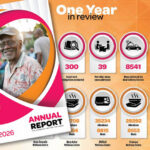 2026 AGM shines a spotlight on achievements at Tafta
 Volunteer Appreciation Celebration recognises vital contribution of Tafta volunteers
 Heart palpitations – should you be worried?
 Tafta turns care into opportunity for women
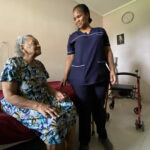 Caring for the Caregiver: how to support the person supporting your loved one
 Your heart has looked after you – now it’s your turn to look after your heart
 Mandela Day volunteering: why giving your time changes lives … including your own
 Brain health: everyday habits that could be harming your brain
 The power of partnership: how corporates keep non-profits thriving